
Building AI for Conversational Interfaces
Leverage iMessage and SMS for AI-driven user engagement without the app overhead.
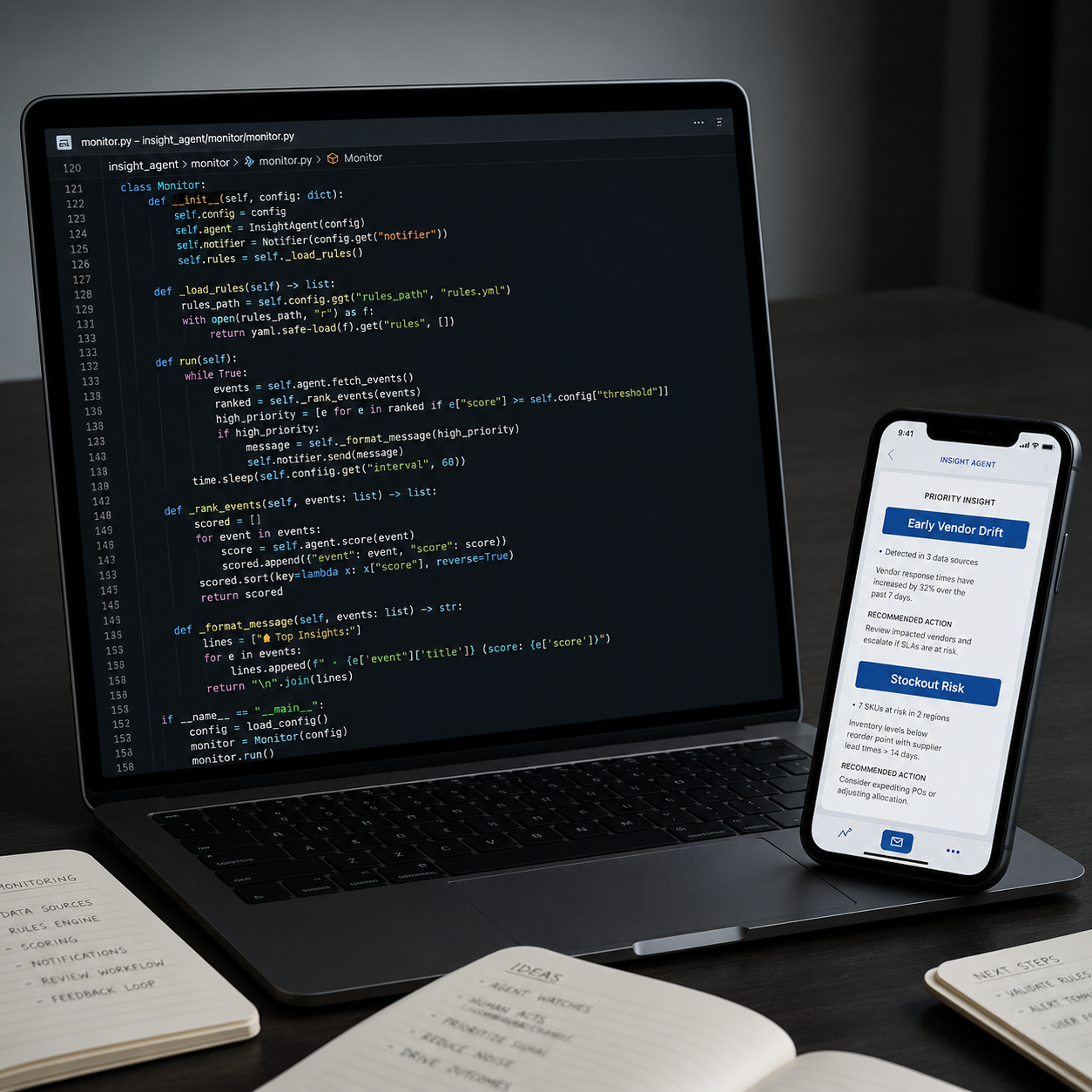
Building AI for Conversational Interfaces: A Guide to iMessage & SMS
In recent years, conversational AI has transformed the way we interact with technology. From simple chatbots to complex virtual assistants, the evolution of these systems is remarkable. However, as founders and product leaders, we must consider how we can leverage existing platforms to engage users effectively. This guide explores how utilizing established messaging services like iMessage and SMS can significantly enhance user engagement while bypassing the complexities and overhead of app development.
The Evolution of Conversational AI
Conversational AI has come a long way since its inception. Initially, these systems were rule-based, relying heavily on predefined responses. Today’s AI models leverage natural language processing (NLP) and machine learning to understand context, sentiment, and intent, providing users with a more fluid and human-like interaction.
As AI technologies mature, users increasingly expect seamless, intuitive conversations with their devices. This expectation presents an opportunity for founders to innovate within existing frameworks, rather than building new applications from scratch.
Why Use iMessage and SMS?
1. User Familiarity
Most people are already comfortable using messaging platforms like iMessage and SMS. By building AI solutions that integrate with these services, you can meet your users where they are, enhancing engagement without requiring them to learn a new interface or download a new app.
2. Lower Development Overhead
Creating a new application demands significant resources—time, money, and talent. By leveraging existing messaging platforms, you can focus on developing the core AI functionality rather than reinventing the wheel. This approach allows you to allocate resources more effectively and speed up your time to market.
3. Rich Features of Messaging Platforms
Messaging platforms come equipped with rich features, including multimedia support, read receipts, and notifications. By integrating your AI with these capabilities, you can create a more interactive and engaging user experience without the need for complex development.
Practical Implementation Steps
Step 1: Define Your Use Case
Before diving into development, clarify what problem your AI solution addresses. Are you building a customer support bot, a personal assistant, or a sales agent? Defining the use case is critical for guiding your integration with messaging platforms.
Step 2: Choose the Right Messaging Platform
While iMessage and SMS are great options, consider your target audience. For instance, if you are focusing on a younger demographic, you might also explore platforms like WhatsApp or Facebook Messenger. Assess where your users spend their time and prioritize those channels.
Step 3: Develop the Conversational Flow
Design a conversational flow that feels natural. Utilize NLP techniques to ensure that your AI can understand various user intents. For instance, if you are building a support bot, consider common phrases users might use and how to respond appropriately.
Step 4: Integrate with the Messaging API
Both iMessage and SMS have APIs that allow you to send and receive messages. Familiarize yourself with these APIs to implement your AI solution effectively. For SMS, Twilio is a popular choice for sending and receiving messages. For iMessage, you may need to work within Apple's ecosystem, adhering to their guidelines.
Step 5: Test and Iterate
After deploying your AI solution, continuously monitor its performance. Gather user feedback to refine the conversational flow and improve response accuracy. Iteration is crucial to ensuring that your AI remains relevant and effective.
Case Study: A Retail Chatbot on SMS
Consider a retail brand that implemented an SMS-based chatbot to handle customer inquiries. By leveraging the SMS API, the company was able to provide instant support for order tracking, product inquiries, and returns. The chatbot utilized NLP to understand customer questions and provide accurate responses.
Results
- Increased Engagement: Customers appreciated the immediate responses without needing to navigate a website.
- Cost-Effective: The brand saved on customer service costs while improving customer satisfaction.
- Scalability: As inquiries grew, the AI could handle multiple conversations simultaneously, reducing the need for additional human resources.
Conclusion
Building AI for conversational interfaces using existing messaging platforms like iMessage and SMS is not just an innovative approach; it’s a practical one. By focusing on user familiarity, reducing development overhead, and utilizing rich platform features, founders and product leaders can create effective AI solutions that enhance user engagement. By following the outlined steps, you can harness the power of conversational AI to meet your users' needs efficiently.
The future of user interaction lies in seamless conversations. Embrace this opportunity to innovate within established frameworks and deliver value to your users without the burden of app development.